Think Positive Always
Ways to Fill Your Home with Positive Energy
Discover simple and meaningful ways to make your home feel more peaceful, uplifting, and full of positive energy through light, decluttering, color, plants, and daily habits.
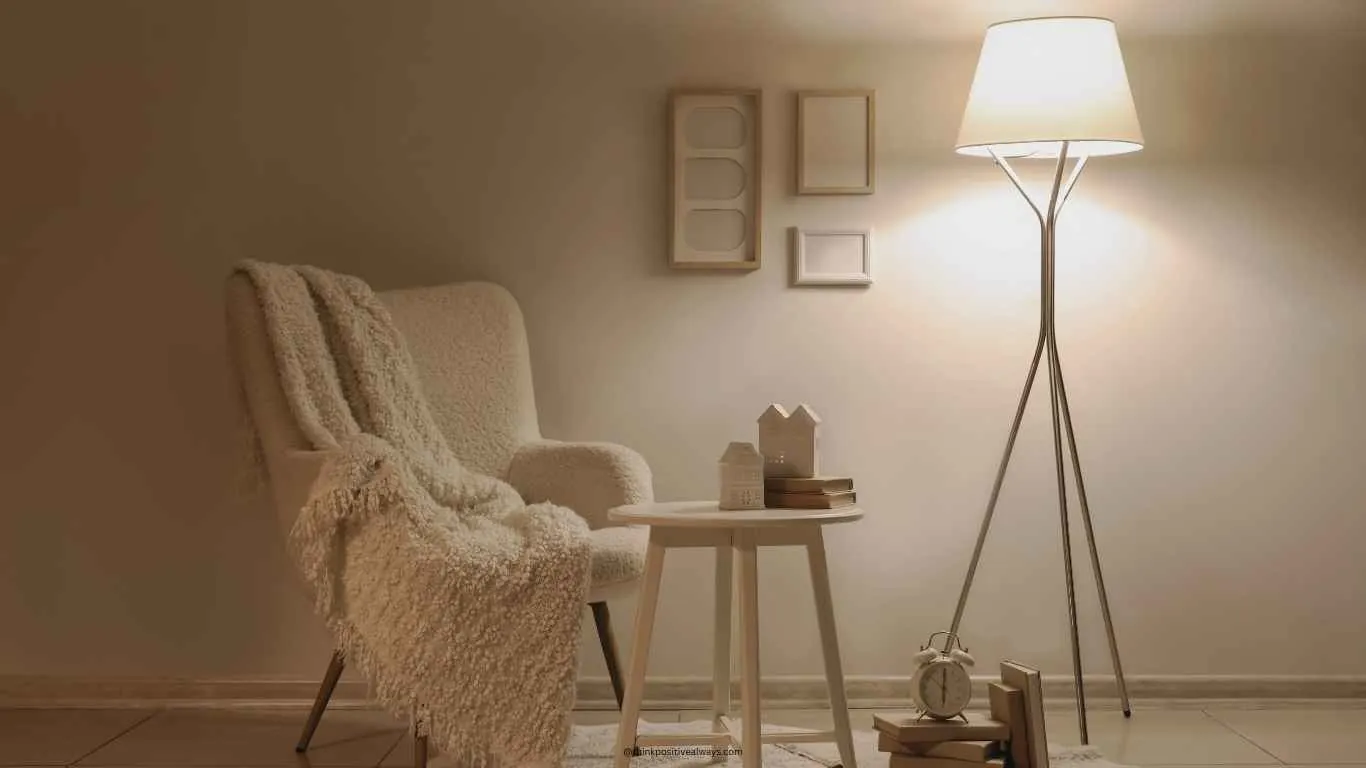
A house should be more than a place where we live, sleep, and store our belongings. A house should be a space that allows us to breathe easily, sleep soundly, and feel safe, both emotionally and physically. The atmosphere in which we live can greatly impact our moods, thoughts, and overall energy levels throughout the day. Creating a peaceful space is important.
There are some houses that feel warm and cozy the moment you enter. There are other houses that feel heavy, cluttered, and draining. Most times, this is based on feelings of the space rather than money spent, size, or luxury. Each room has its own stories. In addition, each object, each habit, each routine contributes to the atmosphere of the space.
Fortunately, changing the energy of a space does not require a complete renovation. With intentional changes, you can totally alter the energy of your space. By having your home support your well-being, it can make it easier to think clearly, sleep well, and move through life with greater peace.
Why the Energy in Your House Matters
We typically spend a lot of time in our houses. We wake up in our house and go back to our house after a day of work. Our house can be a stressful place. Our house can be a heavy place. Our house can negatively impact how we feel. However, when our house feels welcoming and peaceful, it can be a place for healing and restoration.
Creating a space of positive energy in a home does not mean that you have to pretend that your life is perfect. Rather, it means creating an environment that promotes peace, happiness, relaxation, and well-being. Additionally, creating a space of positive energy requires you to pay attention to what positively impacts the energy of your space and eliminate anything that drains the energy.
How to Create a Space of Positive Energy
1. Start by Being Aware of How Much Energy, You Contribute to Your Home
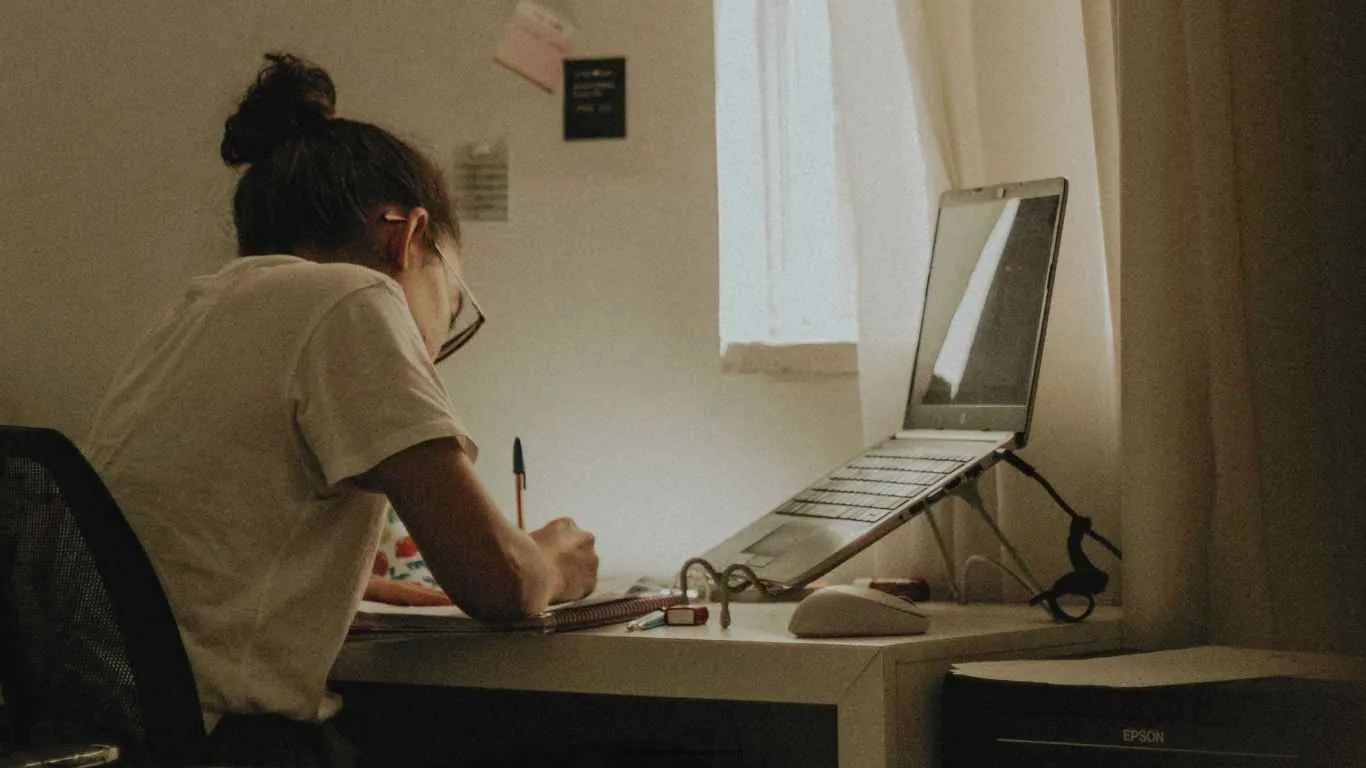
One of the largest contributors to the energy of a home is you. The energy you bring into your home includes your mood, your tone, your habits, and your emotional baggage. While a home may be nicely decorated, it could still feel tense if you and anyone else living in the home are anxious, irritable, or consistently under a great deal of stress.
Before bringing all of your stress and anxiety into your home at night, give yourself time to unwind. Take a warm bath. Spend a few minutes sitting quietly. Change into comfortable clothing. Pray. Write in a journal. Simply take a deep breath. Allow your home to become a space where you release negative energy instead of storing it.
If you want your home to feel like a peaceful space, then become more mindful of the energy you bring into your home. Be quieter. Move slower. Create opportunities for peace. For example, the first change may begin with the individual entering your home.
2. Remove Clutter That Creates Stress
While clutter is usually viewed as visual clutter, things lying around, clutter can also create mental fatigue. Once clutter accumulates in a home, it can become difficult to focus, relax, and figure out what to do next.
Removing objects that no longer serve you is perhaps one of the most effective methods to transform the energy of your home into a space that feels lighter and more uplifting. Removing items that no longer serve you does not necessarily occur immediately.
- Remove one item from one drawer. - Clean one shelf. - Organize one corner. - Give away items that no longer benefit you. - Dispose of items that are damaged beyond repair or cannot continue to function properly.
Making these minor adjustments will provide significant relief. In addition to reducing physical clutter, you will also reduce mental clutter and create emotional clarity.
3. Organize Your Home To Support Peacefulness
Once clutter is removed, organizing your home becomes simpler and more meaningful. Typically, an organized home provides a calmer feeling due to the fact that everything has its own designated place. You spend less time looking for things and becoming irritated by disorganization, therefore allowing for more streamlined processes that facilitate daily life activities.
Organization does not mean perfectionism. Organization means making your home functional for you. Examples of creating simple organizational systems include using baskets for daily supplies, such as mail, trash bags, etc., placing trays near entryways for collecting keys, utilizing bookshelves for books and/or other storage purposes, developing basic cleaning routines, etc.
Spending approximately 10 minutes per day returning items to their proper location can aid in maintaining a more tranquil environment. Simple habits help your home feel less stressful and more nurturing.
4. Select Colours That Promote the Atmosphere You Want
Colours can subtly affect how a room feels. Some colours produce calming effects, while other colours promote warmth and energy. If you believe that a particular room in your home feels dull or lifeless, possibly examining new colours could assist in improving the ambiance.
Many blue-green hues evoke a sense of tranquillity and grounding. These can be ideal colours to paint walls in bedrooms or areas where you wish to relax or read. Warm tones, such as orange, rust, and muted reds, can promote inspiration and energy, particularly in rooms used for offices, workout areas, etc.
You don't need to repaint every wall in order to make changes. Many small modifications can help:
- Add throw pillows. - Place warm-toned art pieces on walls. - Wrap blankets on furniture or chairs. - Replace curtains or drapes or modify decorative accents. - Add natural textures or textiles with earthy tones.
Ultimately, the intention behind any modification should be to create an atmosphere within your home that reflects how you desire to feel.
5. Surround Yourself with Memories That Make You Smile
A peaceful home is generally one that feels personal. Creating a home with memories that uplift you is another method to generate positive energy in your home. Photos from family gatherings, holidays, friendships, weddings, and special occasions can instil a sense of warmth within a room. Not only are these photos decorations, but they remind you of individuals and experiences that matter.
A house with happy memories tends to feel alive. Happy memories convey messages of love, gratitude, belonging, love of family, and home. Anytime you notice photographs or reminders of joyful memories in your home, they can quietly boost your spirits.
6. Introduce Nature into Your Indoor Environment Via Plants
Plants can rapidly change the mood of a room. Placing them inside rooms brings texture, colour, and life to indoor spaces. They can also contribute to an indoor space's freshness and peacefulness.
Not all homeowners have the time or inclination to develop their gardens or introduce multiple plants into their homes. Just one or two plants, placed strategically throughout your home, can make a substantial difference. A single plant located on a windowsill, a bedside table, or a desk can establish an impression of calm and care for oneself.
Select plants according to your needs and preferences. If you prefer plants that do not require excessive maintenance or cause additional stressors, then select plants with low requirements.
The goal is not to increase additional demands or expectations, but rather to incorporate elements that contribute to enhancing the aesthetics and enhancing the gentle energy within your indoor space.
7. Utilize Lighting To Shape the Atmosphere Within Your Home
Lighting affects how a house feels more than many recognize. Spaces that lack sufficient lighting, dark and spacious, can be perceived as heavy, cluttered, and uninviting, while brightly lit spaces, especially soft lighting, can appear peaceful, cozy, and inviting.
Allow as much sunlight as possible into your interior space during daylight hours by opening drapes, blinds, and window treatments. Natural sunlight can instantly make a space feel brighter, lighter, and livelier.
Soft lighting in evening hours can create feelings of comfort, relaxation, and renewal by illuminating lamps, bulbs, candles, and soft corner lighting. Extremely bright lighting, e.g., harsh white lighting, can occasionally create feelings of hyper-stimulation, particularly after working long days.
Appropriate lighting contributes to creating an environment where both your body and mind can fully relax within your home.
8. Focus On What Your Home Sounds Like
Positive energy is influenced not merely by what you see, but by what you hear as well. Sound can significantly shape the emotional resonance of an interior space.
Compare a home with consistent background noise, tension, and shouting vs. an interior space with calming sounds, music, silence, peaceful conversation, laughter, etc. The emotional resonance is vastly different.
You can positively affect the atmosphere of your interior space through thoughtful consideration of sound:
- Listen to calming music in the background. - Let in fresh air and enjoy natural sounds. - Minimize unwanted noise wherever feasible. - Communicate calmly and patiently. - Provide quiet time for yourself and your loved ones.
Silence can frequently be associated with peace within interiors.
9. Incorporate Scents That Inspire Comfort
Odor is strongly linked with memory and emotion. Odor can dramatically impact how secure, comfortable, calming, and restored you feel in an interior space. Laundry, clean air, flowers, subtle candles, and essential oils are commonly incorporated to inspire feelings of safety, warmth, and inviting feelings within homes.
The objective is not to overwhelm the space with fragrance. Mild, clean, and soothing fragrances are generally preferred because they foster feelings of security and comfort without overpowering the senses.
Generally speaking, interior spaces with pleasant fragrances tend to feel this way as well.
10. Develop Simple Rituals That Define Your Interior Space as Sanctuary
Frequently, positive energy is created through repeating small actions over time. The practices developed in your interior space will eventually define how the space feels over time.
Developing simple rituals within your interior space can create a sense of security and serenity:
- Open windows each morning. - Prepare tea each evening. - Light candles while reading. - Pray before retiring. - Clean up before bedtime. - Spend quiet time each day.
These modest actions indicate to your brain and body that your interior space is a sanctuary for you, not simply somewhere for passing through.
11. Protect Your Home From Unnecessary Negativity
Occasionally, developing an environment of positive energy within your interior space involves being cautious regarding what you permit within your home, including conversations, media, habits, and emotional patterns within your relationships.
Protecting peace may involve minimizing noise, stressors, distractions, etc., within your relationships with others. A peaceful interior space is rarely accidental; it exists as the result of conscious decision-making.
Final Thoughts
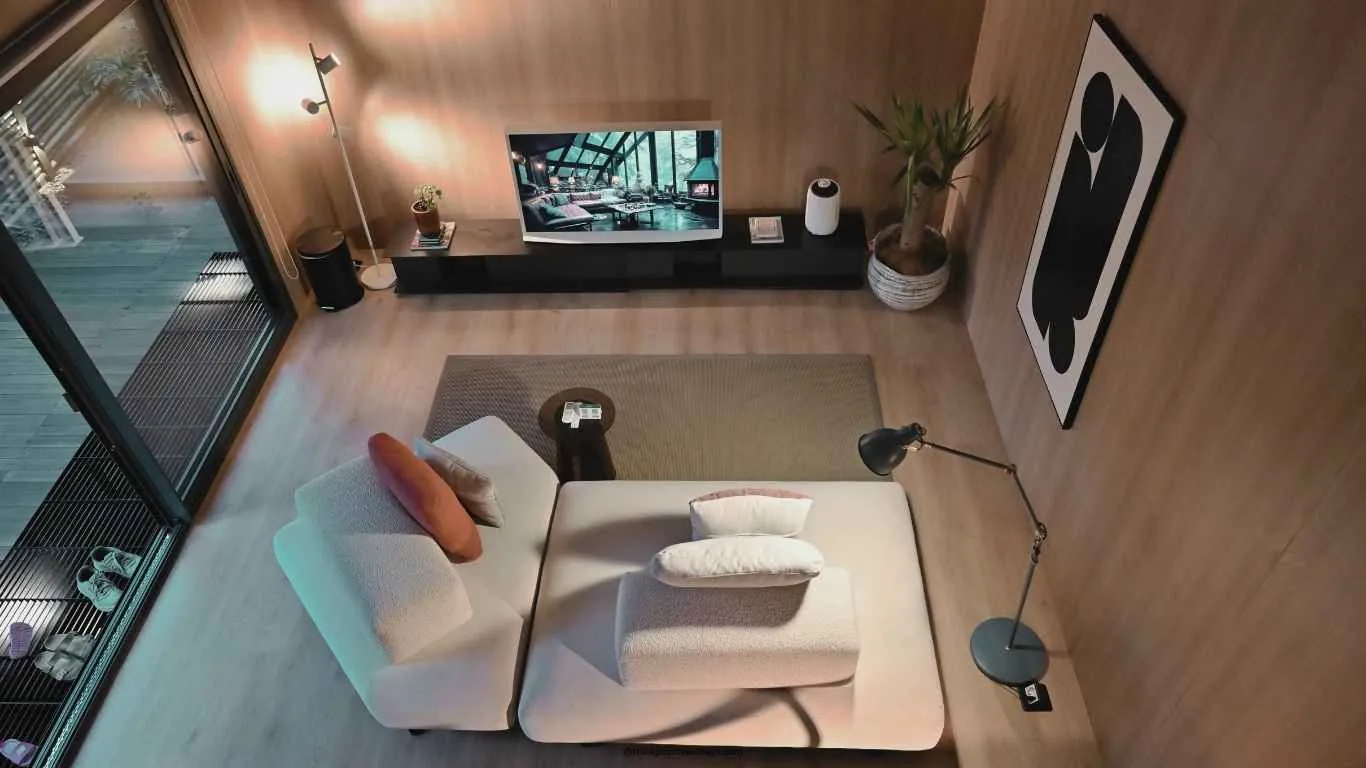
It doesn't matter whether or not your home looks perfect to create an environment that makes you feel good inside. It doesn't matter whether or not it appears luxurious, expensive, or has endless amounts of space. What matters most is the way it makes you feel.
An interior space that fosters positive energy supports you breathing more freely, sleeping more peacefully, and experiencing emotional relief as well.
Begin small:
- Open windows. - Clear one area. - Introduce one plant. - Hang one image or photo that brings you joy. - Turn on warmer lighting. - Be more considerate with your tone.
Through gradual application, these minute decisions may drastically alter the total atmosphere within your home.
Likewise, when your interior space feels more peaceful, there is likely a high probability that your heart will also feel more peaceful.
Related Reading
- [Love Languages in Real Life: Simple Ways to Make Your Partner Feel Loved](/articles/love-languages-in-real-life-simple-ways-to-make-your-partner-feel-loved) - [67 Positive Energy Quotes to Attract Good Things Into Your Life](/articles/67-positive-energy-quotes-attract-good-things) - [How to Stop Being So Hard on Yourself](/articles/how-to-stop-being-so-hard-on-yourself)