Think Positive Always
Sunday Reset for Professionals: Prepare for the Week Calmly
By Think Positive Always Published
A Sunday reset is not about turning your weekend into a workday. It’s a gentle 30 to 60 minute routine that clears mental clutter, organizes your week, and helps you wake up on Monday feeling calmer and more prepared.

Let’s be honest. Sunday can be a little emotional.
You want to rest, but your mind keeps listing everything you didn’t do. You want to enjoy the evening, but you can already feel Monday coming.
If you’ve ever felt that quiet Sunday pressure, you’re not alone.
This is why a Sunday reset helps. Not a long, exhausting routine. Not an aesthetic planning session that takes three hours and leaves you more tired. A simple reset that feels like care.
Just enough structure to stop the panic. Just enough clarity to help your brain relax.
And if burnout has been creeping in, start here too: [How to recover from burnout without quitting your job](https://thinkpositivealways.com/articles/work-life-balance-what-actually-works)

What a Sunday reset really is
A Sunday reset is a short routine that helps you:
clear mental clutter review your week calmly prepare simple essentials protect your time and energy * make Monday feel lighter
It’s not about productivity for productivity’s sake. It’s about reducing stress and decision fatigue.
Because when you start Monday already behind, your nervous system goes into survival mode.
And once your week begins in survival mode, you end up living from one urgent thing to the next.
“A reset is not pressure. A reset is peace with a plan.”
Tip: If you’re already feeling overwhelmed and tired, read this first and be kind to yourself: Signs you’re burning out: the quiet symptoms people ignore
The biggest mistake people make on Sundays
They try to do everything.
They clean the whole house, respond to emails, plan a perfect week, meal prep for seven days, catch up on laundry, and somehow still feel guilty.
That’s not a reset. That’s another workday wearing soft clothes.
So let’s do this differently.
This Sunday reset has one rule:
Do the smallest things that create the biggest calm. You are not preparing for a perfect week. You are preparing for a real week. A week with meetings, delays, and real life.
How long should this take?
Choose one:
30 minutes if you’re tired or busy 45 minutes if you want to feel more prepared * 60 minutes if you want to include meal prep and home reset
You can also split it across the day:
15 minutes afternoon 15 minutes evening * done
If you’ve been carrying work thoughts into the night, this will help too: How to stop working in your head after hours

The Sunday Reset Routine (copy this exactly)
Step 1: Set the mood (2 minutes)
This sounds small, but it matters.
put your phone on silent play soft music or sit in quiet drink water or tea light a candle if you like * take one deep breath and relax your shoulders
You are telling your body: we are safe. We are preparing gently.
Tip: If your week feels heavy, do the reset with kindness. Your nervous system will notice.
Step 2: Do a brain dump (5 minutes)
Write everything your mind is holding.
Not neatly. Not perfectly. Just out of your head.
tasks worries reminders errands things you keep forgetting calls you need to make
This reduces mental load immediately.
If you want a deeper recovery plan, save this too: How to recover from burnout without quitting your job
Step 3: Look at your calendar (5 minutes)
Open your calendar and scan the week:
meetings deadlines appointments commitments travel time personal obligations
Then ask:
What day looks heaviest What day needs extra buffer What can I move or decline Where can I protect one rest block
This is where you plan like a human.
If your schedule keeps collapsing, this method helps: Time blocking for real life: a simple schedule that breathes
Step 4: Choose your top 3 outcomes for the week (5 minutes)
Not 15. Not everything.
Just 3 outcomes that will make you feel proud at the end of the week.
Examples:
finish the proposal draft prepare the monthly report follow up with three clients complete a course module organize your budget attend the gym twice * protect one family day
Write them down.
This step is the difference between a week that controls you and a week you guide.
Quote here. “When you choose your priorities, you stop being dragged by everybody else’s urgency.”
Tip: If everything is urgent at your workplace, you need a different strategy: How to handle a toxic workload without quitting immediately
Step 5: Create your “Monday landing” plan (5 minutes)
Monday feels hard when you start with confusion.
So give Monday a soft landing:
What is the first task I start with What is the one thing I want done by lunchtime What is the first meeting I need to prepare for What is one small win I can get early
Write it down as a mini plan.
This is also a powerful way to reduce Monday anxiety.
If Monday dread has been growing, you’ll love this upcoming article: When you hate Mondays: how to fix the real problem
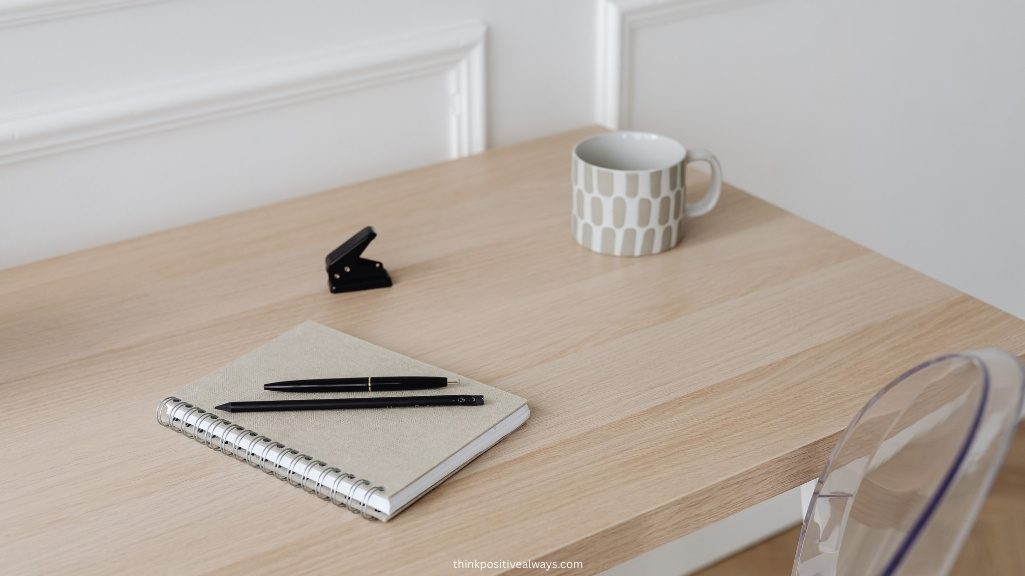
Step 6: Reset one small space (10 minutes)
This is not deep cleaning. It’s a reset.
Choose one space that will make your week feel lighter:
your work bag your desk your kitchen sink area your bedroom your laundry basket your fridge shelf * your planner and pen
Set a timer for 10 minutes and reset it.
Even a small tidy reduces stress because your environment becomes less loud.
Step 7: Prep one thing for your body (10 to 15 minutes)
Burnout grows when we ignore our bodies.
You don’t need a perfect routine. You need a simple support.
Choose one:
prep breakfast for two mornings boil eggs chop fruits pack Monday lunch refill your water bottle plan two simple dinners * do a quick grocery list
This is not “health perfection.” This is support.
If you want to protect your energy during the week, micro breaks help too: Micro Breaks at Work: Tiny Habits That Reduce Fatigue
Step 8: Set one boundary for the week (3 minutes)
Pick one boundary that will protect your time.
Examples:
no work email after a set time no meetings in the first hour of the day lunch away from desk twice this week one evening is protected rest * no work apps on your phone in bed
If you need words to enforce it, use this: Boundary scripts for work: polite ways to say no without guilt
Tip: Choose one boundary you can actually keep. Consistency matters more than intensity.
The 30-minute Sunday reset (for tired weeks)
If you are drained, do this only:
5 min brain dump 5 min calendar scan 5 min top 3 outcomes 5 min Monday landing plan * 10 min reset one space
Done.
You are allowed to rest.
The 60-minute Sunday reset (for busy weeks)
If you want the full version:
5 min mood and breath 10 min brain dump and organize 10 min calendar scan and time blocks 10 min top 3 outcomes and Monday plan 10 min reset one space 10 min body prep or groceries * 5 min boundary setting
This version makes the week feel calmer.
What to do if Sunday resets make you anxious
Some people avoid planning because planning reminds them how much they have to do.
If that’s you, try this:
make the reset shorter focus only on Monday choose one small win remind yourself: planning is support, not pressure
If your mind keeps racing at night, read this and use the simple shutdown ritual: How to stop working in your head after hours
Helpful resources
APA: Coping with stress at work
HBR: How to recover from work stress, according to science
Related reads
How to recover from burnout without quitting your job Work-life balance for busy people: what actually works Time blocking for real life: a simple schedule that breathes Boundary scripts for work: polite ways to say no without guilt How to stop working in your head after hours Micro Breaks at Work: Tiny Habits That Reduce Fatigue * How to handle a toxic workload without quitting immediately

“You don’t need to control the whole week. You just need to enter it with clarity.”
Tip: If Monday dread feels heavy, the next article will help you name the real cause and fix it gently: When you hate Mondays: how to fix the real problem