Think Positive Always
Kindness and Community: How to Feel Less Alone and More Supported
By Think Positive Always Published
A warm, practical guide to kindness and community. Learn how to build real support, create meaningful connections, and feel less alone, even in hard seasons.
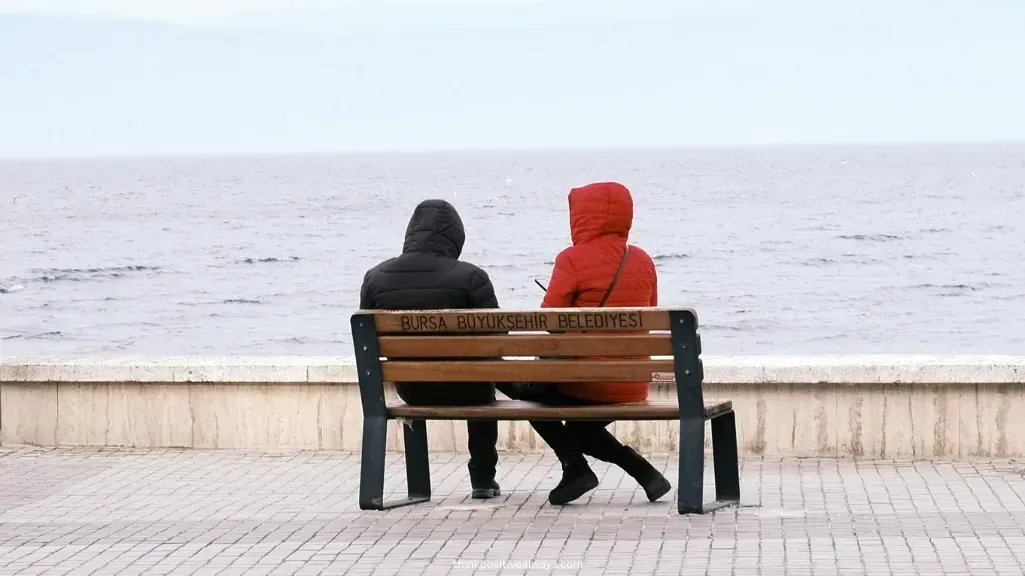
Kindness and community can make a lonely season feel less heavy.
There is a kind of loneliness that people do not always notice. It can look like smiling in public but feeling empty when you get home. It can look like being “the strong one” everyone depends on. It can look like having people around you but still feeling unseen.
If this is where you are, you are not weak. You are human.
We all need kindness and community. Not because we cannot survive alone, but because life becomes heavier when we have no safe place to be honest. A kind word, a caring message, a genuine friendship, or a small circle of people can remind you that you are not meant to carry everything by yourself.
This article will help you understand why kindness matters, why community can feel hard, and how to slowly build support in a way that feels safe, real, and peaceful.
Why kindness is more powerful than people think
Kindness is not only about big gifts, public praise, or dramatic acts of love.
Sometimes kindness is simple.
It is the friend who notices you have been quiet and checks on you.
It is the colleague who says, “You look tired today. Are you okay?”
It is the neighbor who greets you warmly every morning.
It is the person who listens without turning your pain into gossip.
It is the family member who helps without making you feel like a burden.
It is the message that says, “I thought about you today. I hope you are okay.”
Small kindness can stay in someone’s heart for a long time.
You may not always know what someone is carrying. The person who looks confident may be silently overwhelmed. The person who jokes a lot may be hiding sadness. The person who seems independent may be wishing someone would care enough to ask how they are really doing.
Kindness reminds people that they still matter.
Why community can feel hard
Community sounds beautiful, but it is not always easy.
Some people want connection, but they are afraid of being judged. Some want friendship, but they have been disappointed before. Some want support, but they are used to handling everything alone.
You may struggle with community if:
you have been betrayed before people have used your vulnerability against you you are always the giver in relationships you do not want to burden anyone you feel emotionally tired you have outgrown some friendships you do not trust people easily you are afraid of rejection
This does not mean something is wrong with you.
Sometimes your heart is not avoiding people. It is looking for safe people.
Real community should not make you feel small, ashamed, or drained. It should give you room to breathe, speak honestly, laugh freely, and rest without pretending.
If you have been withdrawing because you feel emotionally exhausted, you may also find this helpful: Signs You’re Burning Out: The Quiet Symptoms People Ignore.
You do not need a large circle to feel supported
Many people think community means having many friends. But support is not about numbers.
You do not need a crowd.
Sometimes community is one honest friend. Sometimes it is a sibling who understands your silence. Sometimes it is a church group, women’s group, book club, support group, mentor, colleague, cousin, or neighbor. Sometimes it is a small online space where people encourage each other sincerely.
A small circle with peace is better than a big circle full of pressure.
The goal is not to be known by everyone. The goal is to be truly seen by the right people.
Real-life examples of kindness and community
Here are simple examples of what kindness and community can look like in everyday life.
A friend remembers that you had an interview and messages you afterward to ask how it went.
A colleague notices you are overwhelmed and offers to help with one task instead of saying, “You’ll be fine.”
A neighbor checks on you when they have not seen you for a few days.
A sister, cousin, or friend says, “You do not have to explain everything. I just wanted to hear your voice.”
A church member or mentor notices your silence and gently asks if you need prayer, encouragement, or company.
A friend sends you food, airtime, a helpful link, or a kind message during a difficult week.
A WhatsApp group becomes more than jokes and forwarded messages. It becomes a space where people share opportunities, encouragement, and real support.
A partner, friend, or family member learns to ask, “Do you want advice, comfort, or just someone to listen?”
These actions may look small, but they build emotional safety.
People feel supported when they feel remembered, respected, and included.
Practical ways to build community when you feel alone
1. Start with one safe person
Do not pressure yourself to open up to everyone.
Start with one person who has shown care before.
Ask yourself:
Who listens without judging me? Who respects my boundaries? Who does not use my pain against me? Who makes me feel calmer after we talk? * Who has been consistent in small ways?
Then send a simple message.
You can say:
“I’ve been feeling a bit overwhelmed lately. Can we talk sometime this week?”
Or:
“I’ve missed you. I’m trying to be more intentional with people I care about.”
Or:
“I do not need advice right now. I just need someone to listen.”
One honest message can open the door to connection.
2. Practice small connection daily
Connection does not always begin with deep conversations.
Sometimes it starts with small human moments.
Try this:
greet someone warmly smile at your neighbor thank someone sincerely check on one person this week reply to a message you have been avoiding compliment someone genuinely * ask someone how they are and listen properly
These small actions help you rebuild trust in people.
If you have been isolated for a long time, start gently. You do not have to rush.
3. Join spaces that match your values
Community grows faster when you are around people who care about similar things.
You can try:
volunteering joining a faith group attending a book club joining a walking or fitness group taking a class joining a women’s group attending professional networking events participating in a positive online community
Do not choose a space only because it is popular. Choose a space where you feel respected, safe, and free to be yourself.
If confidence is something you are rebuilding, read: [Confidence and Self-Worth: How to Stop Doubting Yourself and Start Showing Up](/articles/confidence-and-self-worth-stop-shrinking-yourself).
4. Ask clearly for the support you need
Sometimes people want to help, but they do not know what you need.
Instead of saying “I’m fine” when you are not, try being specific.
You can say:
“I need encouragement.”
“I need someone to listen.”
“I need practical help.”
“I need advice.”
“I just need company.”
“Can you check on me this week?”
Clear requests make support easier. They also help people show up for you in the right way.
5. Build trust slowly
You do not have to share your whole life story with someone immediately.
Trust can grow in small steps.
Share something small first. Then notice how the person responds.
Do they listen? Do they respect your privacy? Do they make you feel safe? Do they judge you? Do they gossip about other people’s pain?
Healthy community should not make you feel exposed. It should make you feel held.
Move slowly. Pay attention. Choose peace.
For more on protecting your emotional space, read: Peace and Calm: A Practical Toolkit for a Quiet Mind.
6. Be kind without abandoning yourself
Kindness does not mean saying yes to everything.
You can be kind and still have boundaries.
You can care and still rest.
You can support others and still protect your own peace.
You can love people and still say, “I do not have the capacity for this today.”
Healthy kindness sounds like:
“I care about you, but I cannot talk tonight. Can we speak tomorrow?”
“I want to help, but I cannot take this on right now.”
“I am here for you, but I also need rest.”
“I love you, but I need this conversation to stay respectful.”
Kindness should not leave you empty. Real community allows care to flow both ways.
What to do when nobody checks on you
This can hurt deeply.
When you are always the one encouraging others, it can feel painful when no one notices your silence.
If you feel this way, try not to suffer quietly forever.
First, be honest with yourself about the relationships around you. Some people care, but they may not know how to show it. Others may only come close when they need something from you.
Second, communicate your need clearly. You can say:
“I know I usually seem strong, but I would really appreciate it if you checked on me sometimes.”
Third, stop giving all your emotional energy to relationships that constantly leave you empty.
Fourth, look for new spaces where healthier connection can grow.
You deserve relationships where you are not only needed. You deserve to be noticed too.
If life feels heavy right now, read: [Tough Times Support: What to Tell Yourself When Life Feels Too Heavy](/articles/when-life-feels-heavy-how-to-keep-going).
Kindness toward yourself matters too
Sometimes the first person you need to treat with kindness is yourself.
Self-kindness looks like:
resting without guilt admitting when you are tired eating properly speaking to yourself gently forgiving yourself for not being perfect asking for help when you need it not calling yourself weak for needing support giving yourself time to heal
The way you treat yourself teaches you what kind of love you should accept from others.
Be gentle with yourself while you build the community you need.
Short FAQ
Why do I feel lonely even when people are around me?
You may feel lonely around people when you do not feel emotionally seen, understood, or safe. Being surrounded by people is not the same as feeling connected to them.
How can I build community if I do not trust people easily?
Start slowly. Choose one safe person, share small things first, and notice how they respond. You do not have to rush trust.
What if I am always the one checking on everyone?
It may be time to communicate your needs clearly and review which relationships are one-sided. Healthy community should include mutual care.
Can online friendships be real community?
Yes. Online friendships can be meaningful when there is honesty, respect, consistency, and genuine support. It is also helpful to build some offline connection where possible.
How can I be kind without being taken advantage of?
Set boundaries. Kindness does not mean being available all the time. You can care about people while still protecting your time, energy, and peace.
Related articles
[Positive Mindset Without Pretending: How to Stay Hopeful in Real Life](/articles/17-easy-steps-to-improve-your-attitude-and-become-more-optimistic) [Tough Times Support: What to Tell Yourself When Life Feels Too Heavy](/articles/when-life-feels-heavy-how-to-keep-going) * [Confidence and Self-Worth: How to Stop Doubting Yourself and Start Showing Up](/articles/confidence-and-self-worth-stop-shrinking-yourself)
Conclusion
You do not have to carry everything alone.
Kindness and community are not small things. They help people feel seen, remembered, and supported during real life. A kind message can soften a hard day. A safe person can make life feel less heavy. A small circle can remind you that you still belong.
Start small. Reach out to one safe person. Practice simple connection. Join spaces that match your values. Ask clearly for the support you need. Be kind to others, but do not lose yourself in the process.
You deserve relationships where you are not only useful, but also cared for. You deserve support that feels peaceful. You deserve people who notice when you are quiet.
And while you are still building that kind of community, keep choosing kindness. It keeps your heart open, your hope alive, and your life connected to something warmer than loneliness.